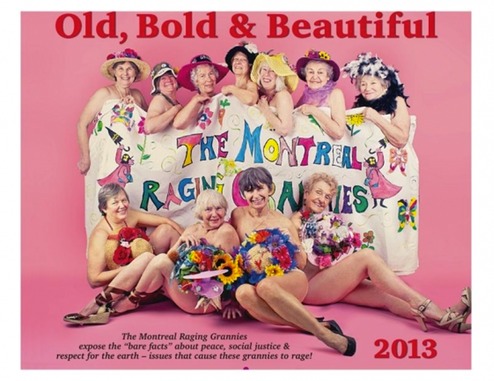
| Prepared by The Montreal Raging Grannies |
How to stage a public event - condensed from "How to Stage a Public Event" by Brent Patterson. Organizing an event is a time to exercise your creativity as well as your democratic rights! This event can be anything from panel discussions, to public forums, information pickets, video screenings, street theatre to demonstrations. Objectives: what are the group's immediate and long-term goals? What kind of event is best suited to advance those goals? Consider which element of the political event you want to emphasize: education, mobilization or action? Resources: Determine what kind of money, people an in-kind donations are available to help stage the event. If necessary, develop a plan to find additional resources (eg. fundraising, help from members of other groups) Timing: Consider the 'political moment' - the day or date you can expect to get maximum participation and exposure for your event. You may consider timing your event to coincide with another major occasion, such as a national holiday, a corporate meeting, or a political gathering. Tasks: Make a list of all the tasks to be performed, the day or time they are to be completed and who is responsible - whenever possible, share tasks. Schedule a series of planning meetings before the event to address questions and hear progress reports on the tasks assigned. Promotion: You must promote your event to ensure you have an audience and get your message out. Choose the most effective methods of promotion for your event - it may be flyers, email, posters, telephone calls, faxes, announcements in other organizations' mailings or events, event listings in community newspapers, announcements on alternative radio, or word-of-mouth. Media: Ensure, first of all, that the event is both creative and timely. Plan strong visuals for photo opportunities. Prepare media kits that contain background info and a media release that feature quotable quotes. Practise delivering a clear and succinct message, including a few sound bites for interviews. Distribute a brief media advisory a day or two before the event and follow-up with a friendly phone call on the day of the event. Last-minute Details: Allow plenty of time, and be prepared to set up equipment, scramble to find a last-minute replacement for a speaker who can´t make it and, in general, troubleshoot. Enjoy the Event Evaluation: Take the opportunity in the days that follow the event to ask what went well and what could have been done better. This process will help you plan more events in the future. |
BACK TO TOP |
||
| <<Previous | Next>> |